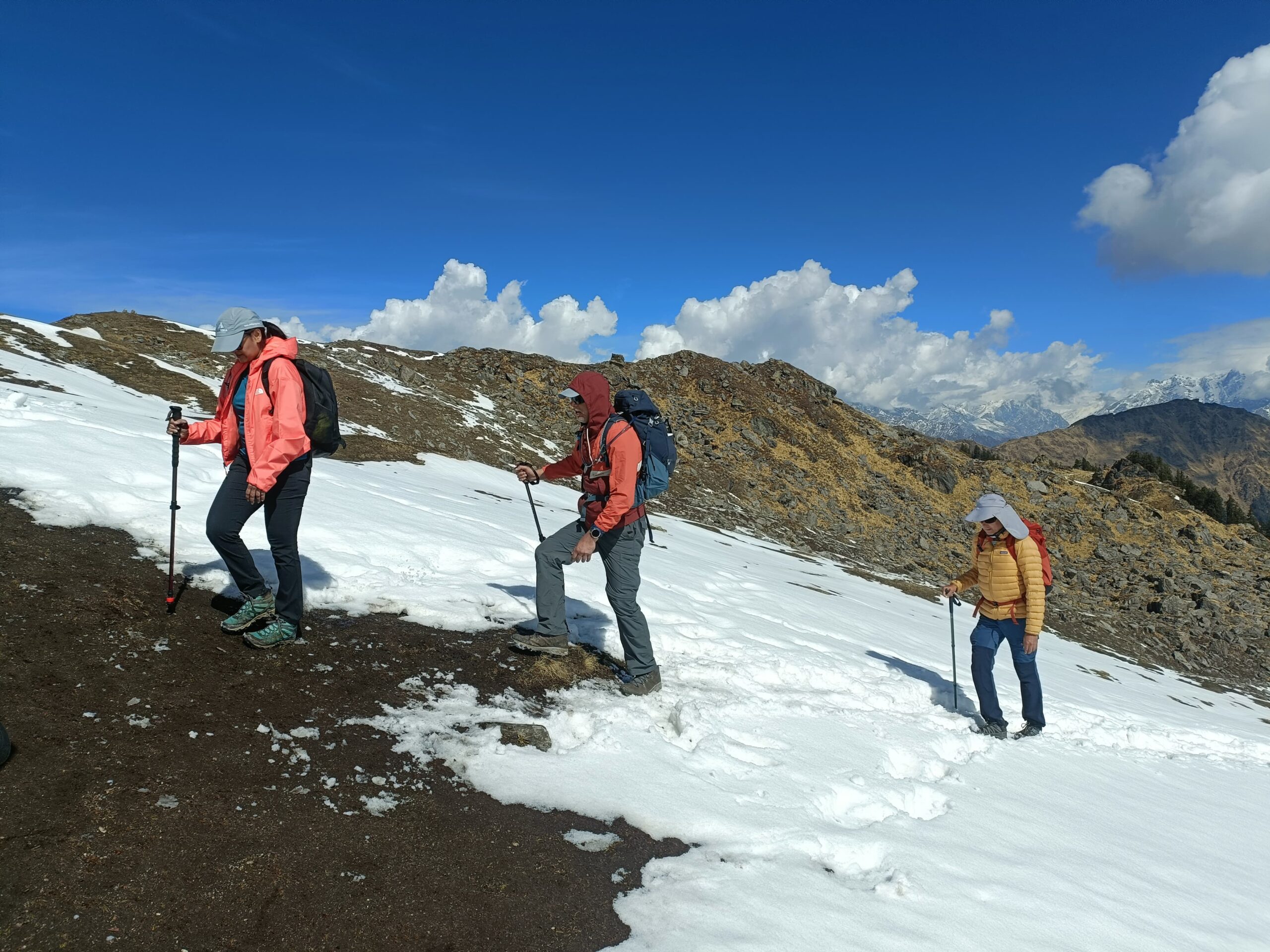
The Mountains Are Paying the Price for Cheap Trekking
There’s something deeply uncomfortable about watching a place you love get loved to death.
Over the past decade, the Indian Himalayas have seen a surge in trekkers, and on the surface, that seems like a good thing. More people connecting with nature. More young Indians discovering the mountains. But dig a little deeper, and a more troubling picture emerges.
A recent piece in Mint by journalist Shai Desai lays it out plainly: the rise of mass-market trekking at dirt-cheap prices is quietly destroying the very landscapes people come to experience. Contaminated glacier water. Overflowing fixed camps. Trails that resemble garbage dumps during peak season. The ecological footprint of too many trekkers, managed poorly, leaves wounds the mountains struggle to recover from.
As Desai writes:
“The ecological footprint of too many trekkers, and Ladakh is suffering from contamination of the region’s glaciers.”
The problem isn’t that people are trekking. The problem is that pricing has become a race to the bottom. When you strip out the cost, you inevitably strip out the care. Guides who aren’t trained. Camps that aren’t managed. Waste that has nowhere to go.
This is something we think about a lot at Atali Ganga.
We’ve been operating in Uttarakhand since 1995, long before “adventure tourism” became a marketing category. What we learned early is that the mountains don’t care about your itinerary. They care about how you show up. That means small groups. Trained guides with a 1:8 ratio. Zero-compromise safety standards. And a genuine commitment to leaving a place better than you found it.
It’s not a cheaper model. It was never meant to be.
The Mint article points to Bhutan as a benchmark: a country that regulates visitor numbers precisely because it understands that unchecked access destroys what makes a destination worth visiting. We’re not suggesting India copy Bhutan wholesale. But the core principle holds: responsible access is the only kind of access that lasts.
If you’re planning a mountain experience (whether it’s a trek, a river stay, or a wilderness retreat), ask the questions that don’t appear in the pricing table. Who are your guides, and how are they certified? How is waste managed on the trail? What happens if something goes wrong?
The answers will tell you everything about whether a place actually cares about the mountains, or just about filling spots.
Originally reported by Shai Desai for Mint. Read the full article here.